

How Do I Sell My House in Maryland if I Have a Lien?

How Do I Sell My House in Maryland if I Have a Lien

When property owners fall behind on their tax obligations, a significant consequence may arise in the form of a legal claim placed by the government on the property. This claim grants the government the authority to take possession of the property if the taxes remain unpaid. Such situations can disrupt property transactions and financial plans until the outstanding tax debt is resolved. Understanding the complexities of these legal actions is crucial for property owners to navigate the associated challenges effectively. Keep reading, as we delve into the processes and impacts of these governmental actions, shedding light on the implications they hold for property ownership and providing insights into managing and resolving tax-related issues.

Types of Tax Liens

Tax liens can have a significant impact on individuals and businesses, affecting their financial standing and creditworthiness. It is crucial to understand the various types of tax liens that exist to navigate the complex landscape of tax responsibilities effectively. Let’s explore in-depth the three primary types of tax liens:.

  1. Federal Tax Liens

Federal tax liens are imposed by the IRS when a taxpayer fails to pay their federal taxes. These liens serve as a legal claim to the taxpayer’s assets, including property, securities, and other financial assets. Understanding the implications of federal tax liens is essential, as they can severely affect one’s credit score and ability to secure loans.

When it comes to federal tax liens, it is important to note the process of filing such liens, which involves the IRS sending a Notice and Demand for Payment to the taxpayer. This notice serves as a warning that a tax lien may be imposed if the tax debt is not resolved promptly.

  1. State Tax Liens

State tax liens, as the name suggests, are imposed at the state level for non-payment of state taxes. Each state has its own set of laws governing state tax liens, including the procedures for filing and releasing such liens. It is crucial for taxpayers to be aware of the specific laws in their state to avoid the consequences of state tax liens.

State tax liens can have serious repercussions, such as wage garnishment, bank levies, and asset seizures. By understanding the variances in state tax lien laws, individuals can take proactive measures to address their tax obligations and prevent escalating financial issues.

  1. Local Tax Liens

In addition to federal and state tax liens, local tax liens may also be imposed by municipalities for unpaid local taxes. Local tax liens operate similarly to other tax liens but pertain specifically to local tax obligations. It is important to differentiate between local and federal tax liens to understand the distinct implications and resolution processes.

Resolving local tax liens often involves working directly with the local tax authority to establish a payment plan or negotiate a settlement. Failure to address local tax liens can lead to additional penalties and legal actions, underscoring the importance of timely resolution.

By delving into the nuances of each type of tax lien, individuals and businesses can proactively manage their tax liabilities, mitigate financial risks, and safeguard their assets and creditworthiness. Stay informed about tax lien laws and seek professional advice to navigate the complexities of tax obligations effectively.

Consequences of Unpaid Taxes

Legal Actions Taken for Unpaid Taxes:

When taxes go unpaid, the government has the authority to take legal actions against the taxpayer. This can include imposing penalties, seizing assets, or even initiating criminal proceedings. The Internal Revenue Service (IRS) has the power to issue a tax lien on the taxpayer’s property, which serves as a legal claim to secure the unpaid taxes. If the taxpayer continues to neglect their tax obligations, the IRS may resort to levying bank accounts or garnishing wages.

Impact on Credit Score:

Unpaid taxes can have a detrimental effect on an individual’s credit score. The tax liens placed on the taxpayer’s property will be reported to credit bureaus, resulting in a lowered credit score. A lower credit score can make it challenging for the individual to obtain loans, credit cards, or favorable interest rates. Additionally, it can also affect the individual’s ability to secure housing or employment as many landlords and employers conduct credit checks.

Possibility of Tax Sale:

In extreme cases of unpaid taxes, the government may opt to sell the taxpayer’s property through a tax sale. This is done to recover the unpaid taxes and can lead to the loss of valuable assets. Tax sales are usually public auctions where the property is sold to the highest bidder. The proceeds from the sale are used to cover the outstanding tax debt, and any excess amount is returned to the taxpayer. It is essential for individuals to address unpaid taxes promptly to avoid the risk of losing their property through a tax sale.

Tax Resolution Options:

When facing unpaid taxes, individuals have several options to resolve their tax debt. These include setting up a payment plan with the IRS, applying for an offer in compromise to settle the debt for less than the full amount owed, or seeking professional help from tax attorneys or enrolled agents. It is crucial to address unpaid taxes proactively to explore these options and prevent escalating consequences.

Overall, the consequences of unpaid taxes extend beyond financial penalties and can significantly impact an individual’s financial stability and future opportunities. By fulfilling tax obligations and seeking assistance when needed, individuals can avoid the severe repercussions associated with unpaid taxes.

Dealing with Delinquent Taxes

Payment Plans and Options

When facing delinquent taxes, exploring payment plans and options can provide a structured way to settle your tax debt. Options such as installment agreements allow you to pay off what you owe over time, easing the financial burden. It’s essential to understand the terms of the payment plans, including interest rates and penalties for late payments. By adhering to a payment plan, you can gradually work towards becoming tax debt-free.

Tax Relief Programs

Tax relief programs offer eligible individuals the opportunity to reduce or eliminate their tax debt. Programs like Offer in Compromise and Currently Not Collectible status can provide much-needed relief for those struggling to pay their taxes. To qualify for these programs, individuals must meet specific criteria set by the IRS. Seeking professional advice can help determine if you are eligible for these programs and guide you through the application process.

Seeking Professional Help

Navigating delinquent taxes can be complex, so seeking professional help from tax experts or financial advisors is crucial. These professionals can offer guidance on the best course of action based on your financial situation and help you navigate the process of resolving your tax debt effectively. They can also represent you in communications with the IRS, ensuring that your rights are protected and that you are taking the necessary steps to address your tax issues.

Understanding Your Rights

It’s essential to be aware of your rights as a taxpayer when dealing with delinquent taxes. The IRS has specific guidelines on what they can and cannot do when collecting tax debt. By understanding your rights, you can protect yourself from any abusive or unfair practices during the collection process. If you believe that the IRS is not following the proper procedures, you have the right to file a complaint and seek assistance from the Taxpayer Advocate Service.

Financial Planning and Budgeting

Dealing with delinquent taxes often requires a reassessment of your financial situation. Creating a comprehensive financial plan and budget can help you manage your expenses, prioritize your tax payments, and avoid falling back into tax debt in the future. By making sound financial decisions and seeking professional advice, you can work towards financial stability and ensure that you are meeting your tax obligations on time.

Dealing with delinquent taxes can be a challenging and stressful experience, but with the right approach and guidance, you can effectively resolve your tax debt. By exploring payment plans, tax relief programs, seeking professional help, understanding your rights, and implementing sound financial planning, you can take proactive steps towards becoming tax debt-free. Remember, addressing delinquent taxes promptly and responsibly is key to avoiding further financial consequences and securing your financial future.

Conclusion

Understanding the implications and processes related to tax liens is essential for both individuals and businesses in managing their financial obligations. By being informed about tax liens, one can make strategic decisions to prevent their assets from being seized and to maintain a healthy financial standing. It is crucial to stay updated with tax laws and regulations to avoid falling into the complexities of dealing with tax liens.
The Definition of a Short Sale: What Maryland Homeowners Should Know

Introduction

Short Sale in Maryland

As a Maryland homeowner, understanding short sales can be crucial when facing financial challenges. A short sale is a process where you sell your property for less than the amount owed on the mortgage, often as an alternative to foreclosure. By working with We Buy MD Homes, you can navigate through the short sale process with ease and efficiency, ultimately finding a convenient and reliable solution for selling your house quickly and without hassle.

Short Sale Definition

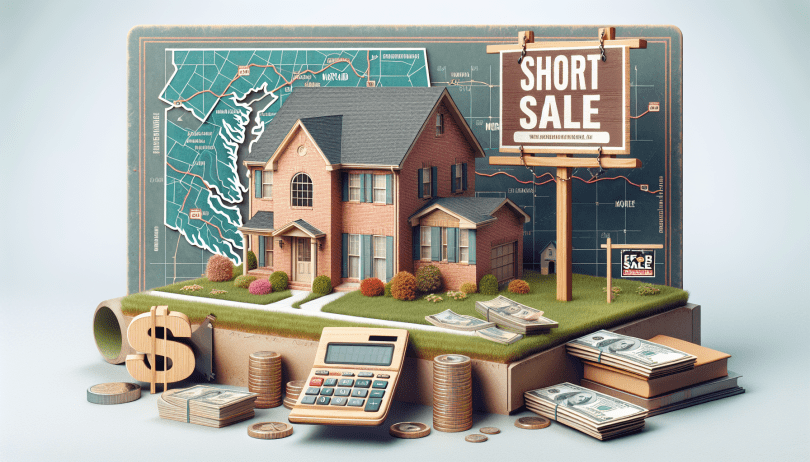
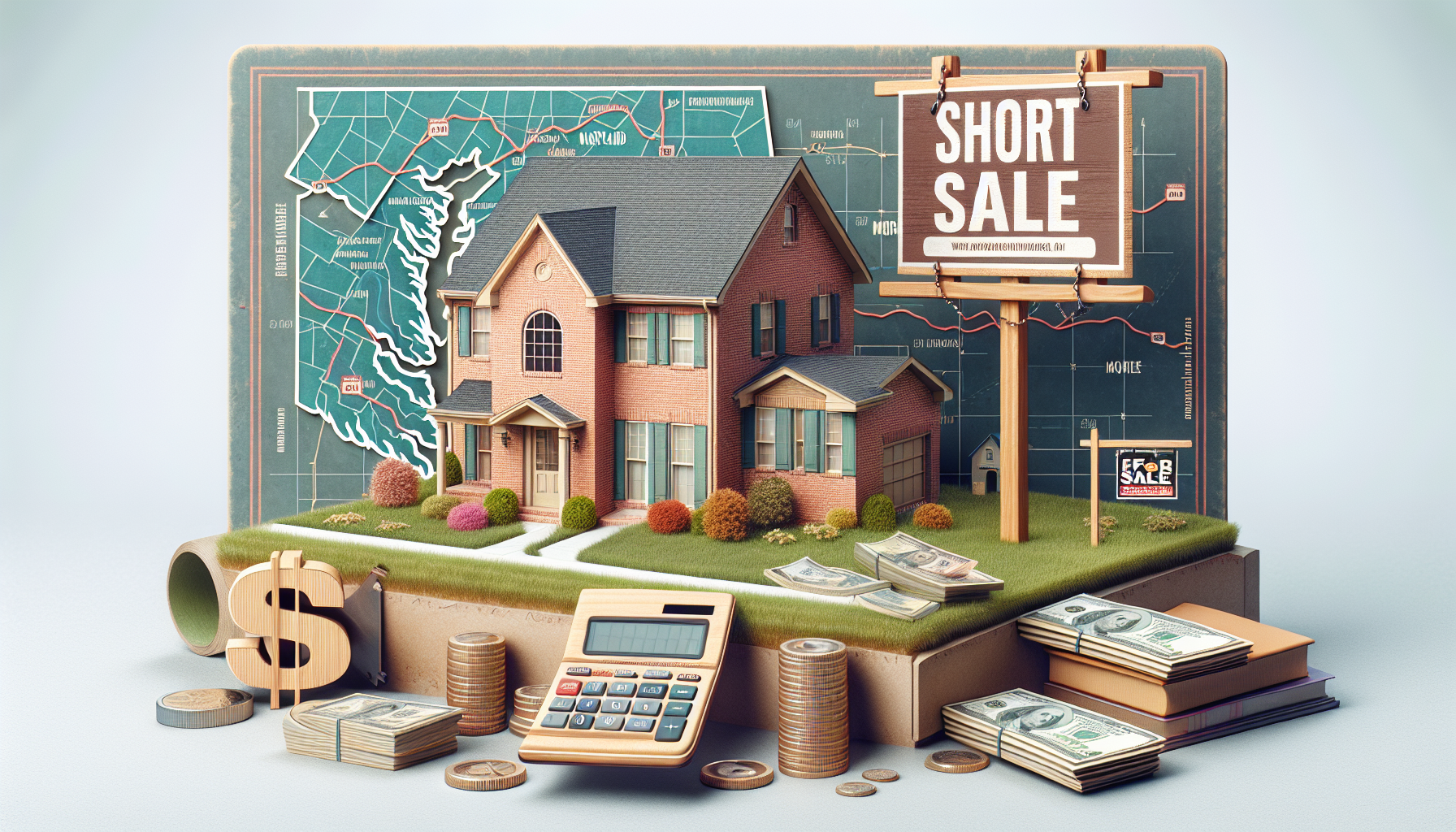
When homeowners find themselves facing financial difficulties and unable to keep up with their mortgage payments, a short sale can be a viable solution. A short sale is a process where homeowners sell their property for less than the amount owed on their mortgage. This option serves as an alternative to foreclosure, helping homeowners avoid the negative consequences associated with it.

Foreclosure can have a devastating effect on a homeowner’s credit score and overall financial well-being. By opting for a short sale, they can minimize the damage to their credit score and potentially recover faster. The primary goal of a short sale is to help homeowners navigate through financial challenges while avoiding the long-term ramifications of foreclosure.

It’s essential for Maryland homeowners to understand the short sale definition, as it can be a valuable tool in their financial recovery journey. By working with a reliable and experienced company like We Buy MD Homes, homeowners can explore this option and make an informed decision about their next steps.

The Purpose of a Short Sale in Maryland

There are several reasons why a short sale may be beneficial for homeowners in Maryland. First and foremost, a short sale provides relief for homeowners who are facing financial difficulties and are unable to keep up with their mortgage payments. By selling their property for less than the amount owed on the mortgage, homeowners can avoid the negative consequences of a foreclosure, such as a severely damaged credit score and the emotional distress of losing their home.

Another purpose of a short sale is to help stabilize the housing market. When a large number of foreclosures occur, it can create an imbalance in the market, driving down property values and making it more difficult for other homeowners to sell their homes. Short sales can help mitigate this issue by reducing the number of foreclosures and maintaining a more stable housing market.

Lastly, short sales aim to reduce the number of foreclosures and their negative impact on neighborhoods. Foreclosed properties can often become neglected, leading to issues such as vandalism and decreased property values in the surrounding area. By opting for a short sale, homeowners can prevent these issues and maintain the overall health and appearance of their neighborhood.

The Short Sale Process

The short sale process can be a complex and time-consuming endeavor, but understanding the steps involved can help Maryland homeowners navigate it more smoothly. In this section, we will discuss the four major steps of the short sale process: determining eligibility, working with experts, preparing necessary documents, and negotiating with lenders.

Determining Eligibility for a Short Sale

Before starting the short sale process, homeowners need to determine if they are eligible for a short sale. Eligibility typically depends on the homeowner’s financial situation, including factors such as income, assets, and current mortgage payments. Homeowners must be able to prove they are experiencing financial hardship and unable to continue making mortgage payments. Lenders will often require a detailed explanation of the homeowner’s financial situation, including a hardship letter, which outlines the reasons for the homeowner’s inability to make mortgage payments.

Working with Experts, Such as Real Estate Agents and Attorneys

As the short sale process can be complex, it is essential for homeowners to work with professionals who have experience in short sales. Real estate agents who specialize in short sales can help homeowners navigate the process, from listing the property to negotiating with lenders. Additionally, working with an attorney experienced in short sales can provide valuable legal advice and guidance, ensuring that the homeowner’s rights are protected throughout the process.

Preparing Necessary Documents and Submitting a Short Sale Package

Once eligibility has been determined and experts are on board, homeowners need to prepare a comprehensive short sale package to submit to their lender. This package typically includes financial documents, such as tax returns, bank statements, and pay stubs, as well as a hardship letter and a proposed short sale agreement. The short sale agreement outlines the terms of the sale, including the purchase price and any conditions the lender may require, such as repairs or concessions. The lender will thoroughly review the short sale package before deciding whether to approve the short sale.

Negotiating with Lenders and Obtaining Approval

The final step in the short sale process is negotiating with the lender and obtaining their approval. This can be a challenging and time-consuming process, as lenders may have specific requirements or stipulations that must be met before they will approve a short sale. It is crucial for homeowners to work closely with their real estate agent and attorney during this stage to ensure that the negotiations are successful and the short sale is approved.

In conclusion, understanding the short sale process is essential for Maryland homeowners looking to sell their homes through this method. By determining eligibility, working with experienced professionals, preparing a comprehensive short sale package, and negotiating with lenders, homeowners can successfully navigate the short sale process and find a solution to their financial difficulties.

Impact of a Short Sale on Credit Score

It’s important for homeowners to understand that short sales can have an impact on their credit scores. Although the effects of a short sale on credit scores vary depending on individual circumstances, it’s generally considered to be less severe than the impact of a foreclosure. Nonetheless, it’s essential for homeowners to be aware of this potential consequence and to take steps to rebuild their credit after a short sale.

Short Sales and Credit Scores

A short sale can cause a drop in credit scores because it indicates that the homeowner was unable to fulfill their mortgage obligations. However, the specific impact on one’s credit score depends on a variety of factors, such as the homeowner’s credit history and the amount of debt forgiven by the lender. Despite the potential negative effects, a short sale is still generally seen as a better option than foreclosure, as it demonstrates that the homeowner made an effort to work with their lender to resolve their financial difficulties.

Rebuilding Credit After a Short Sale

While a short sale may have an impact on credit scores, there are steps homeowners can take to rebuild their credit after the transaction is completed. Some of these steps include:

  • Maintaining timely payments on all remaining debts, such as credit cards and car loans.
  • Reducing outstanding balances and keeping credit utilization low.
  • Regularly reviewing credit reports for any errors and disputing inaccuracies with the credit reporting agencies.
  • Applying for a secured credit card to establish new, positive credit history.
  • Avoiding applying for new credit too frequently, as it can hurt credit scores.

By following these tips and making a conscious effort to improve their credit standing, homeowners can recover from the impact of a short sale and work towards a stronger financial future.

How We Buy MD Homes Can Help with Short Sales

One of the most significant challenges Maryland homeowners face when considering a short sale is navigating the complex process and finding the right support. We Buy MD Homes is here to help homeowners looking to sell their homes through a short sale by offering assistance, covering all 23 counties in Maryland, and providing a hassle-free experience.

Offering Assistance to Homeowners

Our team understands the stress and uncertainty that come with financial difficulties and the prospect of a short sale. We Buy MD Homes offers personalized assistance to homeowners, guiding them through the short sale process and working closely with them to find the best possible solution. Our experience and knowledge of the Maryland real estate market enable us to help homeowners navigate this challenging time with confidence.

Covering All 23 Counties in Maryland

No matter where you live in Maryland, We Buy MD Homes can help. Our cash home buying services extend to all 23 counties in the state, ensuring that homeowners across Maryland have access to the support and solutions they need when facing a short sale. We are dedicated to providing a convenient and reliable service for homeowners in distress, regardless of their location.

Buying Houses in Any Condition or Neighborhood

One of the most significant advantages of working with We Buy MD Homes is our ability to buy houses in any condition or neighborhood, without the need for realtors, fees, commissions, or repairs. This means that homeowners can sell their homes quickly and efficiently, avoiding the time-consuming and costly process of listing their property, making repairs, and waiting for a buyer. By eliminating these obstacles, We Buy MD Homes makes it easier for homeowners to move forward with a short sale and find the relief they need.

In conclusion, We Buy MD Homes is committed to providing Maryland homeowners with the support and resources they need when considering a short sale. By offering assistance, covering all 23 counties in Maryland, and buying houses in any condition or neighborhood, we help homeowners navigate this challenging process with confidence and ease.

The Benefits of Choosing We Buy MD Homes for a Short Sale

When it comes to navigating the complex world of short sales, Maryland homeowners can greatly benefit from partnering with We Buy MD Homes. Our company offers a range of advantages that make the short sale process smoother, more efficient, and less stressful for homeowners. Here are three key benefits of choosing We Buy MD Homes for a short sale:

Hassle-free home selling experience

One of the primary reasons homeowners choose We Buy MD Homes is our commitment to providing a hassle-free home selling experience. We understand that selling a home can be challenging, especially when facing financial difficulties or dealing with a short sale. Our team works diligently to streamline the process and minimize stress for homeowners by handling all the necessary paperwork, negotiations, and communications with lenders.

Fast and efficient process

Time is often of the essence when it comes to short sales, and We Buy MD Homes prides itself on offering a fast and efficient process for homeowners in need. Our team of experts works quickly to assess your property, determine its value, and provide a fair cash offer. This enables homeowners to move forward with the short sale process without unnecessary delays or roadblocks, ultimately helping them avoid the negative consequences of foreclosure.

Expertise in working with homeowners, mortgage companies, non-profits, and government agencies to find solutions for homeowners in distress

With years of experience in the Maryland real estate market, We Buy MD Homes has established a strong network of relationships with various stakeholders, including homeowners, mortgage companies, non-profits, and government agencies. This allows us to find creative solutions to help homeowners in distress navigate the short sale process and achieve the best possible outcome for their unique situation. By leveraging our expertise and connections, we are able to provide homeowners with the support and guidance they need during this challenging time.

In conclusion, choosing We Buy MD Homes for a short sale offers Maryland homeowners a hassle-free, fast, and efficient solution backed by our extensive expertise in working with various stakeholders to achieve the best possible outcome. If you’re considering a short sale, reach out to our team today and experience the benefits of partnering with a reliable and customer-oriented company.

Getting Started with We Buy MD Homes

When you’re ready to explore the possibility of a short sale with We Buy MD Homes, the process is simple and straightforward. Our goal is to provide you with a hassle-free experience that allows you to move forward with confidence. Here’s how you can get started:

Fill Out a Contact Form on the We Buy MD Homes Website

First, head to our website and fill out the contact form to request a cash offer. This initial step helps us gather some basic information about your property and situation, allowing us to better understand your needs and expectations. The more detailed and accurate the information you provide, the better we can assist you.

Consultation and Evaluation of the Property

Next, our team will reach out to you for a consultation, which may involve a phone call or an in-person meeting. During this time, we’ll discuss your situation, answer any questions you may have, and gain a deeper understanding of your property and its potential value. This evaluation process helps us determine the best course of action for your specific circumstances.

Receiving a Fair Cash Offer for the Home

Finally, once we’ve gathered all the necessary information and evaluated your property, we’ll present you with a fair cash offer for your home. This offer will be based on market trends, the condition of your property, and other relevant factors. If you choose to accept the offer, we’ll work with you to complete the short sale process as quickly and smoothly as possible.

In conclusion, getting started with We Buy MD Homes for a short sale is a simple and user-friendly process. Our team is dedicated to providing you with the guidance and support you need to make the best decision for your specific situation. Contact us today to explore your options and take the first step toward a successful short sale.

Conclusion

In conclusion, understanding the short sale definition is crucial for Maryland homeowners who may find themselves in financial distress. Being aware of the short sale process and its implications can help homeowners make informed decisions regarding their property and avoid the negative consequences of foreclosure.

Working with We Buy MD Homes for a short sale offers numerous benefits. Our straightforward, concise, and customer-oriented approach focuses on providing a hassle-free solution for selling houses in Maryland. We pride ourselves on our convenience and reliability, ensuring that homeowners can navigate the short sale process with ease.

We encourage homeowners in Maryland to reach out to We Buy MD Homes for assistance with their short sale needs. Our team of experts is ready and available to help homeowners find the best possible solution for their unique situations. Don’t hesitate to contact us and discover how we can make the short sale process a smooth and stress-free experience for you.

Ready for a Fresh Start?

Understanding the definition of a short sale is crucial for Maryland homeowners seeking a fresh start. As an alternative to foreclosure, short sales can help homeowners avoid severe financial consequences. Remember, We Buy MD Homes is here to help, offering cash for homes in all 23 Maryland counties and providing a hassle-free experience. Selling your house in any condition or neighborhood is possible without realtors, fees, or repairs. If you’re interested in a short sale, request a cash offer from We Buy MD Homes today!